

When a child is overwhelmed, frustrated, or having a meltdown, it's natural to say, "Calm down."
But what if those two words are actually the least helpful thing we can say?
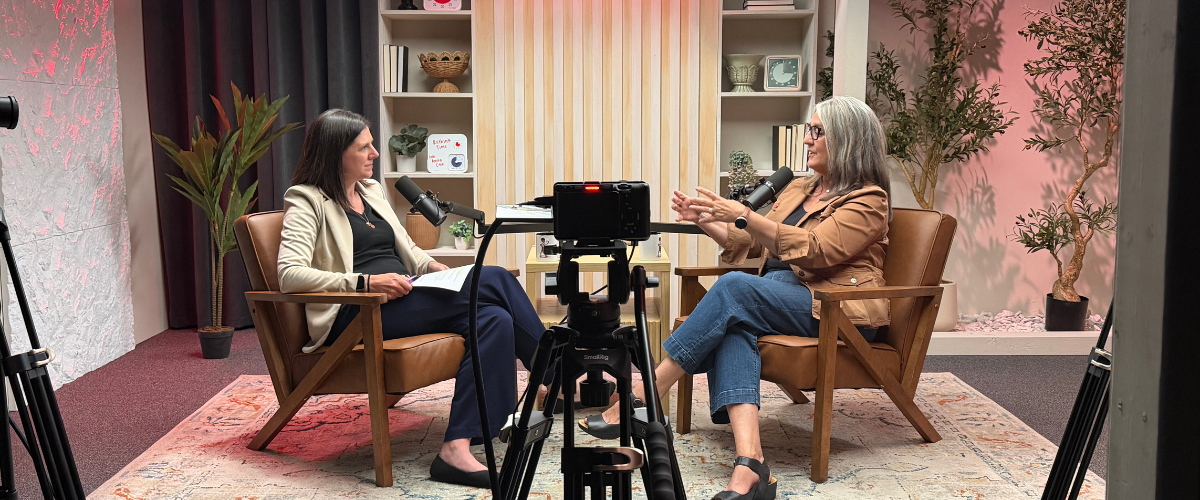
On this episode of the Rethink Time Podcast, we sat down with Sarah Habib, founder of The Calm Caterpillar, to discuss how mindfulness can help children build lifelong emotional regulation skills. Rather than reacting to challenging behaviors in the moment, Sarah explains why the key is teaching self-regulation before children ever reach that point.
Behavior Is Communication
One of the biggest mindset shifts Sarah encourages is seeing behavior differently.
A tantrum, shutdown, or emotional outburst isn't simply "bad behavior." It's communication. Children are telling us they don't yet have the skills or tools to manage what they're experiencing.
Instead of focusing only on correcting behavior, parents and educators can help children develop strategies that allow them to recognize and regulate their emotions before those big reactions happen.
Mindfulness isn't about eliminating emotions, it's about helping children navigate them.
Emotional Regulation Starts Before the Big Feelings
Many adults introduce breathing exercises only after a child becomes upset.
The problem? Learning doesn't happen well during moments of stress.
Sarah explains that mindfulness skills should be practiced when children are calm, happy, and engaged, not when they're already overwhelmed. Just like learning to ride a bike or tie shoes, emotional regulation requires repetition. The more often children practice simple breathing techniques during everyday routines, the more likely they'll be able to access those skills when they truly need them.
Make Mindfulness Playful
Mindfulness doesn't have to look like sitting silently with crossed legs. For young children, play is one of the most effective teaching tools. Simple breathing activities like pretending to roar like a lion, buzzing like a bee, or tracing fingers during "hand breathing" make self-regulation engaging and age appropriate.
These playful exercises do more than entertain, they teach children how deep breathing can calm their nervous system and reduce stress. When mindfulness feels fun, children are much more likely to practice it consistently.
Why Calm Corners Matter
Calm corners have become increasingly common in classrooms, but many times they are being used incorrectly. A calm corner should never be a punishment. Instead, it should be a safe, inviting space where children choose to go when they need a moment to regulate their emotions.
Whether it's a classroom reading nook, a bean bag with sensory tools, or simply a blanket and pillow at home, the goal is to create an environment that supports emotional regulation, not discipline.
Even more importantly, adults should model how to use these spaces themselves. When teachers or parents demonstrate taking a few deep breaths in a calm corner after a stressful moment, they normalize self-regulation and show children what healthy coping looks like.
Modeling Is One of the Most Powerful Teaching Tools
Children learn more from what we do than what we say. If we want children to use breathing strategies, we need to use them too. Sarah encourages educators and caregivers to practice mindfulness alongside children instead of expecting children to figure it out on their own.
That might mean taking one minute before dinner to practice breathing together as a family or beginning each school day with a simple mindfulness activity. These shared routines help children understand that emotional regulation is a lifelong skill, not something only kids need.
Mindfulness Supports Every Child
Although mindfulness is often discussed in relation to trauma or neurodivergence, Sarah emphasizes that every child can benefit.
Children with ADHD, autism, anxiety, or sensory processing differences may especially benefit from consistent regulation strategies, but emotional awareness is a life skill that serves everyone.
Learning how to pause, breathe, and recognize emotions supports success in school, relationships, and everyday life. These aren't skills children simply outgrow, they're skills many adults wish they had learned much earlier.
Small Daily Practices Create Lasting Change
One of the biggest misconceptions about mindfulness is that it requires long meditation sessions or major lifestyle changes.
In reality, meaningful progress often comes from small, consistent habits.
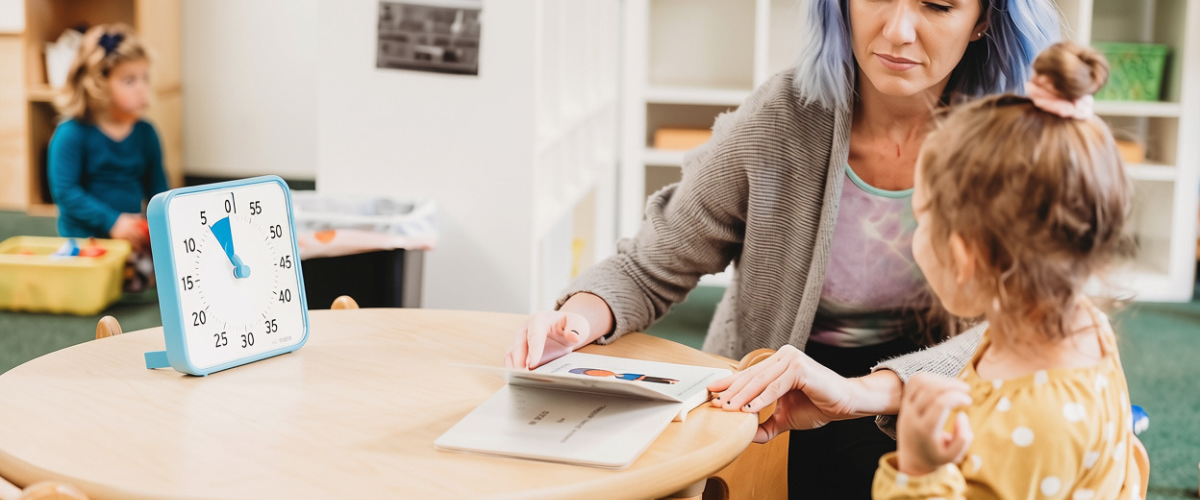
Practicing one or two breathing exercises each day, creating a calm corner, or using visual supports like a Time Timer to build predictable routines can gradually help children feel more confident navigating emotions.
Like any skill, emotional regulation develops through repetition. The goal isn't perfection. It's giving children the tools they can rely on throughout their lives.
Listen to the Full Conversation
This conversation with Sarah Habib offers practical strategies for parents, educators, therapists, and caregivers who want to help children build stronger emotional regulation skills through mindfulness.