

Time Management Benefits from a Happy Medium
Effective time management strategies are about finding the right balance. Too much structure is restrictive and too much flexibility can be overwhelming or invite room for distraction.
Modern productivity tools, especially visual solutions like a Time Timer visual timer, can make a meaningful difference.
You may be a project manager looking to make sure team members stay productive on important tasks. Project timelines must be set for an appropriate amount of time, so saved time with time management can be essential for meeting the bottom line.
You may be a teacher looking to set time for recurring tasks in the classroom for long-term gains in student learning.
You may be a hobbyist looking to use the Pomodoro technique to make the best use of your free time.
Why Structure Matters for Productivity
Structured routines reduce mental energy spent deciding what to do next. Reducing decision fatigue allows you to focus more deeply on the task at hand. Structured schedules improve efficiency, consistency, and output across work, school, and home environments.
Without structure, time becomes ambiguous while tasks expand, priorities blur, and productivity drops. Structured techniques like time blocking, where specific chunks of time are assigned to tasks, can help you regain control.
It can partly do so by discouraging yourself from taking mini-breaks that could add up to lost productivity. For instance, checking your phone and scrolling through notifications may seem less tempting when you have a timer going reminding you just how much time you have left before time is up.
Why Flexibility Is Just as Important: Make Your Schedule Sustainable
Structure brings direction while flexible scheduling offers adaptability. Meetings run long, priorities shift, and energy levels fluctuate; a rigid schedule that doesn’t allow for adjustments can be stressful and frustrating.
The Problem With Extremes and Why a Balanced System Works
Too much structure brings:
* Overplanned schedules
* No room for delays
* Increased stress when things go off track
Too much flexibility brings:
* Lack of accountability
* Procrastination
* Difficulty completing tasks
A balanced system:
* Defines time limits without micromanaging by the minute
* Encourages breaks to renew focus
* Provides consistency without rigidity
How Visual Timers Bridge the Gap
A visual timer offers a unique way to combine structure with flexibility.
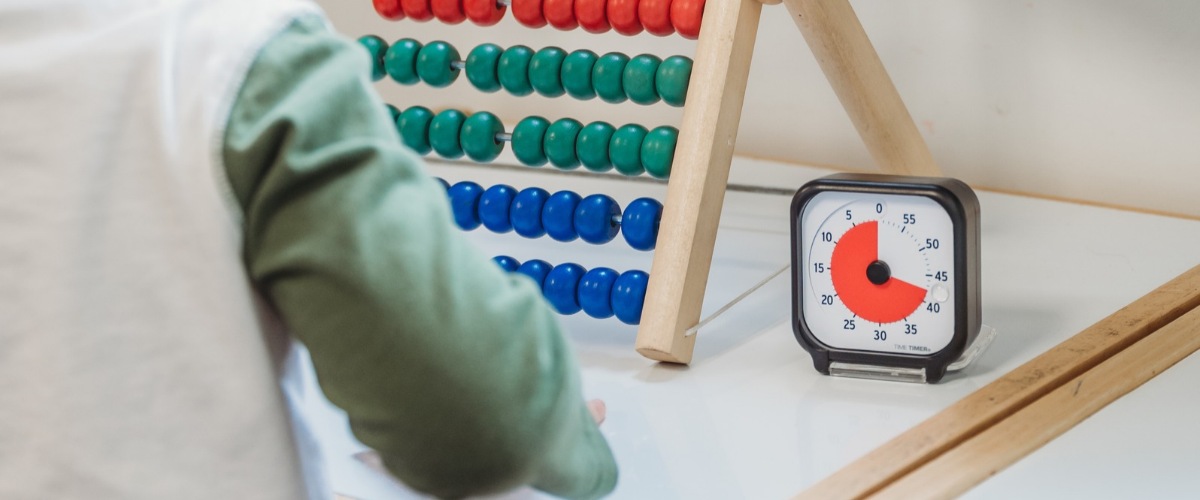
Unlike traditional timers, which rely on numbers or other too-abstract representations of time, visual timers represent time as a shrinking visual element. In the case of many of the timers in the Time Timer product line, that comes in the form of an elapsing colored disk that intuitively represents how much time is left.
That allows you to physically see time passing without constantly checking a clock. That in itself is reassuring because it allows you to spend less time doing mental math in your internal countdown, and instead outsource that to a timer while your head stays fully focused on your own work.
Here’s how visual timers support balance in time management:
-
Clear Time Boundaries through Structure: Visual timers define time blocks. It tells you exactly how long you’re working on a task, which helps reinforce discipline and focus.
-
Gentle Awareness through Flexibility: Because the timer is visual, it does not interrupt your workflow. You can adjust the pace naturally without any pressure from constant alarms.
-
Reduced Stress and Anxiety: Research indicates that visual timers can help reduce anxiety and improve task engagement. When you can actually see time passing, you feel more in control. That supports both productivity and well-being.
-
Improved Focus and Productivity: Visual timers encourage sustained attention by making time tangible. This helps you stay engaged without feeling rushed or overwhelmed.
Overall, a visual timer is a deceptively simple addition to your time-management strategy. When time tracking is no longer in your head but a tangible visible element in your workspace, then you will feel the urgency of the task and preciousness of time.
Practical Ways to Balance Flexibility and Structure
-
Use Time Blocks, But Keep These Flexible: Time blocking is a classic effective time-management strategy. A clear beginning and end can inspire you to make the most of your allotted time. However, time blocking works best when you allow buffer time between tasks. Instead of scheduling back-to-back commitments, leave space for adjustments.
-
Set Visual Time Limits: Countdown timers for tasks help you stay focused while maintaining flexibility. If a task needs more time, a Time Timer visual timer lets you readily adjust the time without disrupting your entire schedule.
-
Prioritize Outcomes, Not Just Schedules: A structured routine should guide your day rather than control it. Focus on completing key tasks rather than strictly following a timeline.
-
Build in Recovery Time: Breaks maintain productivity by recharging focus and preventing burnout.
-
Adapt Based on Energy Levels: Productivity fluctuates throughout the day. Flexible scheduling can make it easier to align demanding tasks with peak energy periods.
-
Use Tools That Support Both Approaches: Time Timer visual timers are among the productivity tools making it easier to balance structure and flexibility. Visual timers are especially effective because these offer structure without rigidity.
Who Benefits Most From This Balanced Approach?
-
Professionals: Balancing structure and flexibility helps professionals manage workloads, meet deadlines, and maintain productivity without burnout.
-
Students: Students benefit from structured study sessions combined with flexible breaks, improving both focus and retention.
-
Individuals With ADHD: For those using time-management tools for ADHD, visual timers provide external structure. It does that while still allowing adaptable pacing, which aids with common challenges like time blindness in ADHD brains.
-
Families and Households: Balancing family routines with flexibility helps households stay organized.
Why This Balance Matters More Than Ever
Let’s face it, we live in a world filled with distractions. Even for disciplined workers who do not waver from the demands of their job, the inflow of notifications about different tasks can be a distraction in itself.
So, finding the right balance between structure and flexibility is essential for success in the modern era. Too much of either creates friction but when combined effectively these create flow.
Whether you are looking to lock in for a task or are about to set the timer for a 5-minute break to browse social media, a visual timer can help. For those looking to optimize time management, a Time Timer visual timer can help you track progress in real time.
Visual tools like Time Timer visual timers help achieve a better balance by turning time into something visible, manageable, and adaptable.
If you’re ready to experience a better way to manage your time, explore Time Timer’s full range of visual solutions, including our app.