

Play is fundamental to childhood development. Often described as the “work” of childhood, play is so much more than fun. Through play, children make sense of the world while building essential cognitive, motor, social, emotional, and communication skills that continue to develop and strengthen over time.
Whether children are building with blocks, creating art, climbing at the playground, or pretending to run a restaurant, they are learning valuable life skills through hands-on experiences. Play encourages curiosity, creativity, problem-solving, emotional resilience, and connection with others – all while helping children manage stress and build confidence.
In fact, in 1989 the United Nations recognized a child’s right to play as a fundamental human right.
The American Academy of Pediatrics (AAP) also emphasizes the essential role of play in early childhood development, noting that it strengthens parent-child relationships, supports healthy brain development, and contributes to children’s physical, cognitive, social, and emotional well-being.
The Benefits of Play
Cognitive development
Play offers significant benefits for the growing brain. Building, solving puzzles, creating imaginary worlds, and exploring new ideas help children develop problem-solving and critical thinking skills while encouraging creativity and imagination.
These experiences also support attention, focus, planning, decision-making, self-regulation, and executive functioning. Open-ended play gives children opportunities to experiment, make choices, and learn through trial and error – experiences that lay the foundation for future learning both inside and outside the classroom.
Physical development
Play supports healthy physical development from an early age. Active play – including running, jumping, climbing, balancing, throwing, and dancing – helps children build strength, coordination, balance, and cardiovascular health.
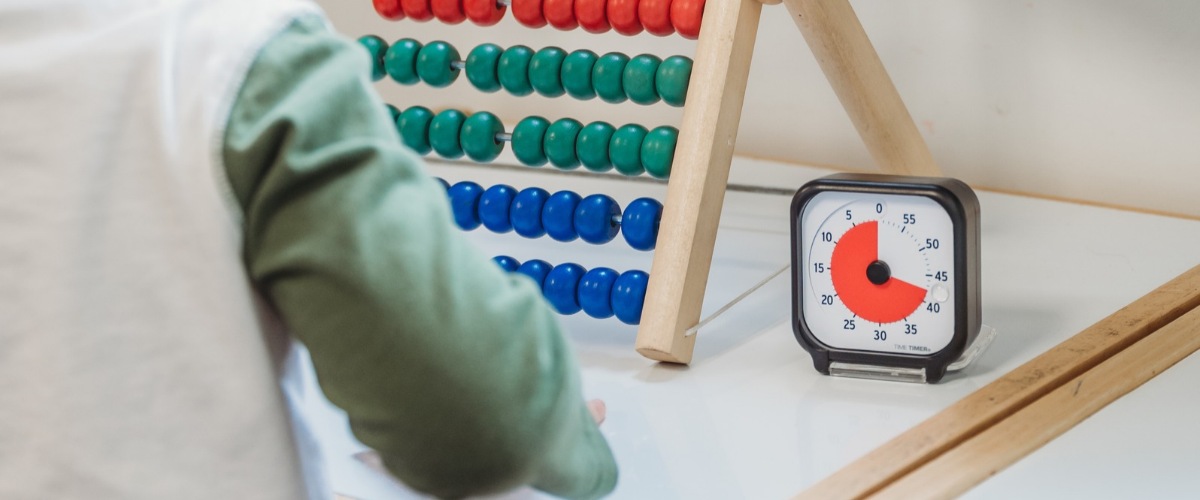
Simple movements such as crawling, stacking blocks, or tossing a ball also contribute to gross and fine motor skill development. Drawing, sculpting, building, and manipulating small objects strengthen hand-eye coordination and dexterity, preparing children for future skills such as writing, sports, and everyday tasks.
Emotional and social learning
Play provides children with a safe and age-appropriate outlet for self-expression. Through cooperative and imaginative play, children practice important social-emotional skills including sharing, taking turns, cooperation, empathy, communication, and conflict resolution.
Pretend play, in particular, helps children explore emotions, process stressful situations, and build confidence. Acting out different scenarios helps kids better understand themselves and others while developing emotional resilience and stronger peer relationships.
Language development
Storytelling, pretend scenarios, games, and everyday conversations during play all support language development. As children interact with others, they build vocabulary while practicing sentence structure, listening skills, emotional expression, and social communication.
Because play naturally encourages interaction, it helps children become stronger communicators over time.
Different Types of Play
- Play comes in many forms, and each type offers unique developmental benefits.
Pretend Play
Dress-up games, make-believe scenarios, and dramatic play help children develop empathy, communication skills, creativity, and emotional understanding while experimenting with different social roles.
Physical Play
Activities such as playground games, sports, dancing, climbing, and outdoor exploration help strengthen coordination, balance, and overall health.
Unstructured Play
Child-led, spontaneous play encourages independence, creativity, and imagination while allowing children to explore their interests freely.
Structured Play
Games, sports, and activities with rules help children practice teamwork, patience, discipline, cooperation, and problem-solving.
Constructive Play
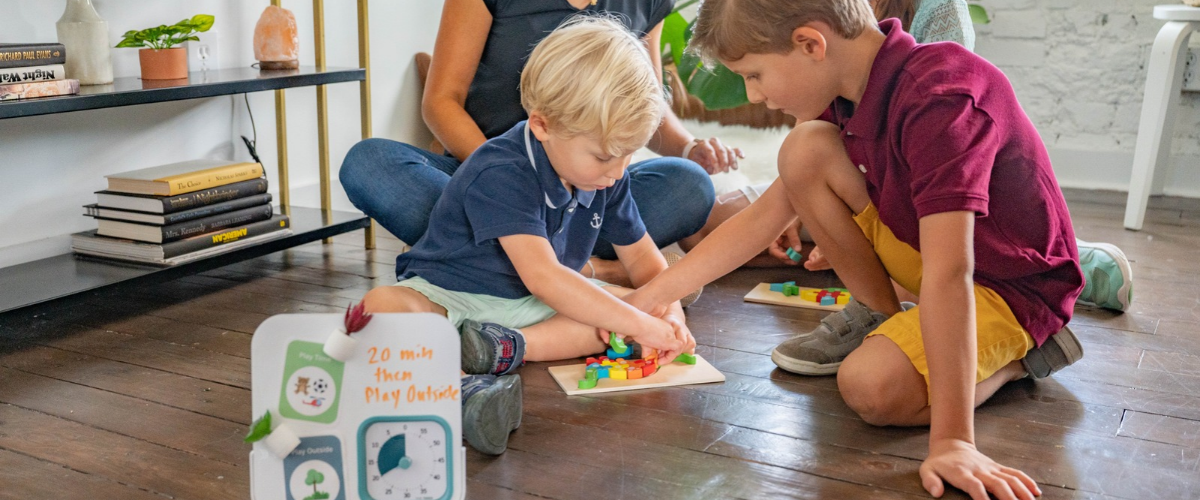
Building with blocks, creating art, assembling puzzles, and crafting projects support fine motor development, spatial awareness, critical thinking, and perseverance.
No matter the type, play is one of the most powerful tools for kids to learn and grow.
-
Looking for inspiration? Harvard’s Center on the Developing Child offers ideas for age-based games and activities that support child development while encouraging meaningful family connection.
Making Time for Play
Protecting time for play is one of the most valuable things families can do. Intentionally setting aside uninterrupted, child-led playtime each day – even just 15 to 30 minutes – can make a meaningful difference.
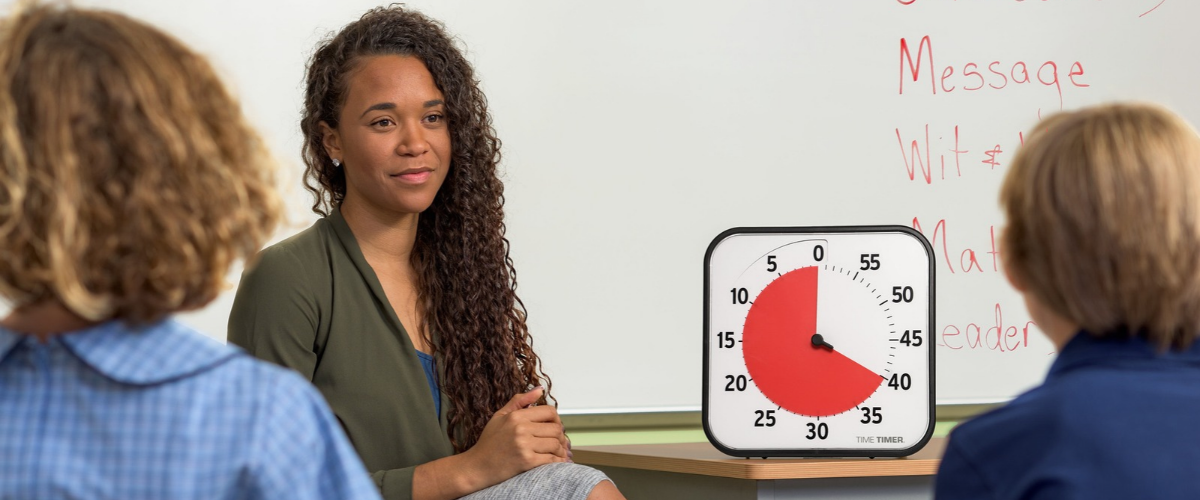
Using a Time Timer during playtime helps children clearly see that this time is protected for creativity, connection, and fun. Visual timers can also support healthy family routines around independent play, outdoor activities, homework, and quality time together.
Say Yes to Play
Play is essential at every stage of childhood. As children grow, their play evolves along with their learning and development. Through play, children learn how to think, move, communicate, connect, and cope with the world around them. Giving children the time, space, and freedom to play helps nurture happier, healthier, more confident learners – both now and in the future.