

Small Habits That Make a Big Difference for ADHD Brains
For adults with ADHD, as well as children with ADHD, traditional routines may feel overwhelming to maintain for a brain that craves novelty and struggles with consistency.
The solution lies not in abandoning structure but rather finding the right kind of structure.
Enter micro-routines: tiny manageable sequences that create meaningful structure without overwhelming your ADHD brain.
What Makes a Micro-Routine Different
Micro-routines take ten minutes or less. These tiny pockets of structure strategically placed at transition points throughout the day feel more accomplishable than longer blocks.
Since these are quick enough to complete even on rushed days, micro-routines can be helpful for introducing structure for those who struggle to establish dependable routines.
Transition Rituals and Micro-Routines
Task transitions can be difficult for ADHD brains. Shifting from work to off time and other transitions require you to disengage from one context and engage with another.
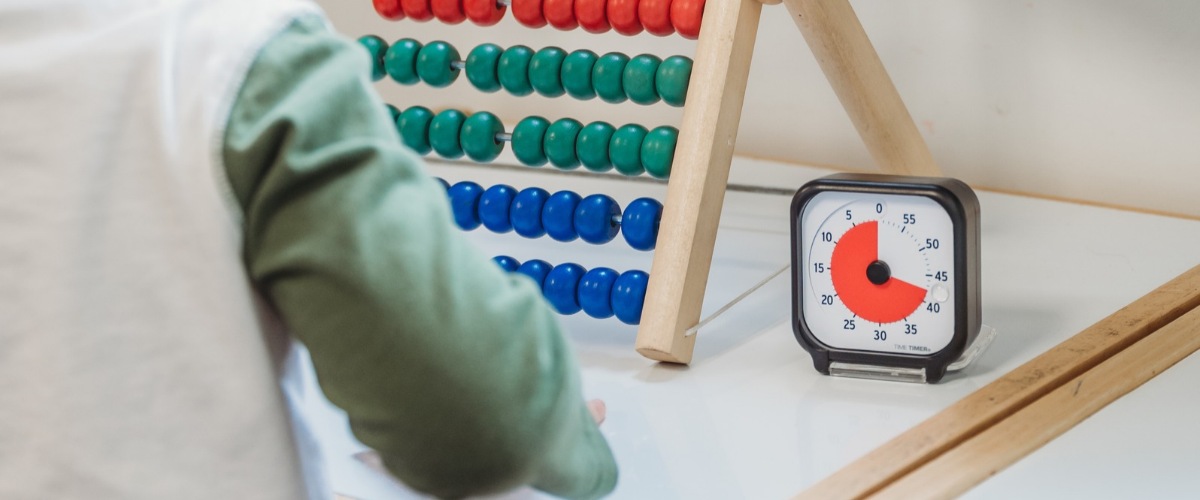
Micro-routines with a visual timer can help wrap up one task and transition to another.
A "focus prep" micro-routine before intensive work sessions might involve silencing the phone, writing out specific goals, and gathering and arranging any necessary materials.
The visual timer serves to structure the micro-routine while also being avaiable to support the work session that follows. That reduces your own cognitive load, as you no longer need to worry about internally keeping track of time in a task, allowing you to go deeper into focus.
Micro-Routines for Medication and Health
The benefits of ADHD medication require consistency. Relying on memory alone can be difficult, especially on stressful or overly busy days. Medication micro-routines can form a reliable structure around this ritual.
Our tip is to choose an existing "anchor", such as brushing teeth, and creating a medication micro-routine where you take your medication, set a visual timer for the medication's onset window, and write one thing you want to accomplish once the medication kicks in.
A major benefit of the visual timer is that it transforms the abstract period where you wait for medication to work into a concrete observable countdown. By getting a visual sense of how far off you are from being at full capacity, you can get in the mindset of productivity and general focus.
You can extend this same approach to other health routines. For better sleep, a wind-down micro-routine might involve a period of avoiding screens followed by a meditation right before bed.
The Reset Micro-Routinen to Recover from Derailment
For those with attention deficit hyperactivity disorder (ADHD), getting off track and off task can be an issue. Avoiding disruptions is a valuable skill, but if you do find yourself distracted, the ability to reset after disruptions or failures is a great skill. Distractibility is one of the more well-known symptoms of ADHD, often being a long-term struggle for people with ADHD.
One way to build this attention-recovery skill is a "reset" micro-routine.
For instance, do a minute of distraction-free walking, stretching, or other calming activity, then return to your space.
The overarching goal of this micro-routine should be to interrupt the interruption without the requirement to immediately jump back into the task. You may fall right back into the cycle of working on the task and falling into distraction. Stepping outside of this cycle away from the scene of the interruption can literalize your "break" from the cycle.
The brief duration and easiness of it means you can execute this reset multiple times per day without derailing productivity.
Closure to Create Completion
Many ADHD adults struggle with an open-ended feeling that work is never truly done. Work following you home can linger on your mind and affect your home life, which is why a "closure" micro-routine can be useful.
Set a visual timer, quickly tidy the workspace (no need to be perfect), check tomorrow's calendar for appointments, and do anything else you find calming and associate with the end of the day.
Visual timers provide a readily visible affirmation that it is indeed time to wrap things up for the day and bring things to a close.
Building a Micro-Routine System that Works for You
To integrate this practice into your life, start with just one micro-routine.
Choose the transition point or time of day that causes the least friction, and therefore is the easiest to stick with the micro-routine. Using a visual timer to structure it and practice it until you feel that the routine is firmly established can be the goal before adding another micro-routine.
From there, you can build your micro-routine system one micro-routine at a time until you have handled the most-difficult parts of your day.
Resist the urge to start off with an elaborate system immediately, as that could simply overwhelm you and discourage you from sticking with this practice.
Overall, you should seek to personalize this system according to what works for you. Choose what you are most likely to stick with, rather than what you think seems in the abstract like the "perfect" or "best" way to do it.
Have ADHD and Need Structure? Check Out Time Timer Products for Neurodivergent Users!