

After-school restraint collapse is the phenomenon of children going wild, either in play or having a meltdown, after a day of having to manage themselves at school.
The idea here is that the self-control kids must practice at school makes it relieving to come home and collapse those restraints.
Why After-School Meltdowns Happen
After-school restraint collapse involves a flood of emotion kids release once somewhere safe enough to let go, usually at home around parents and siblings.
All day at school, children follow rules, sit still, manage peer conflict, and absorb new information in a loud brightly lit sensory-heavy environment.
That self-control can be exhausting for a developing brain, which is why so many after-school meltdowns look disproportionate to whatever the trigger was. The real trigger was sensory overload after school and a full day of emotional restraint.
Some kids show it through tears and clinginess while others get silly, defiant, or aggressive. Some of this, like play, is tolerable, while parents are reasonable to want to control incidents like meltdowns.
Preventing after-school meltdowns requires predictability. A visual timer is an effective tool for de-escalating child tantrums at home. That’s because it removes two things that make transitioning from school to home difficult for a tired brain: surprise and negotiation.
Build an After-School Routine Your Child's Nervous System Can Predict
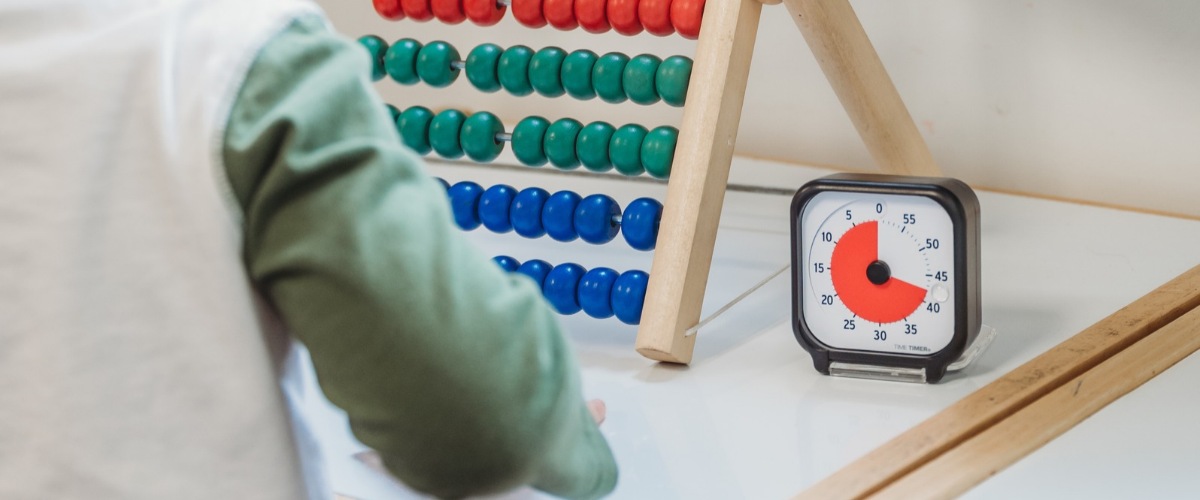
An effective after-school routine for kids is about packing in more activities. Create calm low-demand transitions with Time Timer's visual countdown, a colored disk that visibly disappears as time passes.
Doing so gives kids a non-verbal way to see time instead of just being told about it. This cuts down on the negotiating that can trigger the very meltdown you're trying to avoid.
Read on for a sample after-school routine that you can modify according to your child’s needs.
Step 1: Handwashing for Better Hygiene
After a long say at school, where there are germs galore, hands need washing. After stepping through the doorway, this small hygiene step can become a battle.
However, The Time Timer® WASH + Soap Dispenser can make it an independent predictable ritual instead. This touchless timer activates via a hand under the sensor. It dispenses soap and starts a built-in cued sequence walking kids through wetting, scrubbing, and rinsing.
The timer can be pleasant and calming, letting kids decompress with a healthy routine that reminds them that home is not a rules-free zone.
Step 2: Decompression Block
Any solid after-school decompression idea should involve a block of time where nobody (i.e., parents) ask about homework, behavior, or the school day. In fact, asking about school right away can agitate the child, who usually just wants to decompress upon walking in the door.
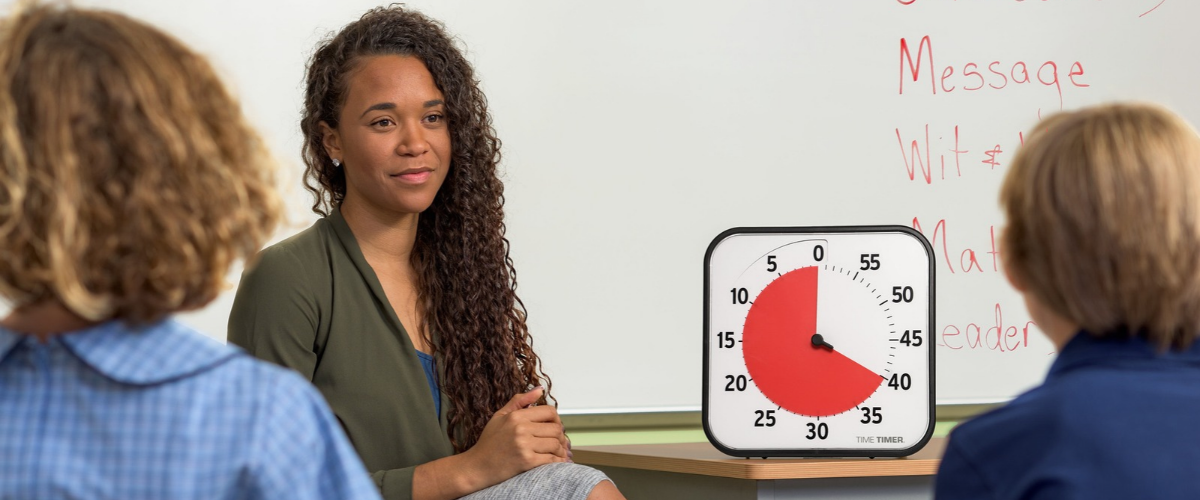
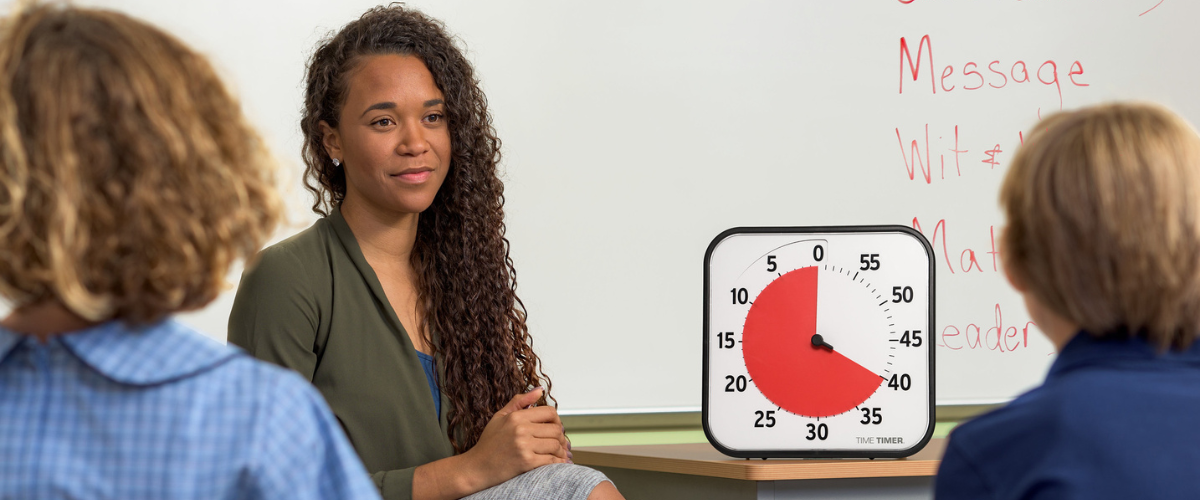
Set a Time Timer® MOD PRO + Dry Erase Board for however long you wish with a message on the dry erase board. (Feel free to get creative with the message.)
As a visual timer for home use, it enforces the time limit for you: when the elapsing disk disappears, decompression is over.
Pairing a written routine chart with a visual timer is a good visual support for emotional regulation. That especially helps sensitive or neurodivergent kids who benefit from seeing the plan, not just hearing it.
Step 3: Micro-Transitions
Transitioning away from a screen or favorite toy is where a shorter timer works well. The Time Timer® PLUS 5 Minute and Time Timer® PLUS 20 Minute visual timers feature large fast-shrinking disks plus a pause button and adjustable volume.
Set 20 minutes on a Time Timer PLUS 20 Minute for a screen time limit. The visible countdown is a common tool for ADHD evening routines that reliably manages transition anxiety in children before homework or dinner.
Step 4: Independence On the Go
Kids riding the bus, walking home, or heading straight to practice, can benefit from the Time Timer® Watch PLUS. It brings our timers’ visual system to their wrist.
Users can toggle between a clock, customizable countdown timer, and alarm, with audible or vibrating alerts.
Parents can set a visual cue for when the bus should arrive or whether it’s time to head home. This gives older kids autonomy while keeping the whole after-school rhythm on track.
This easily portable visual timer for kids helps them manage their own schedule.
Frequently Asked Questions
What is after-school restraint collapse? The emotional release children show after a day at school. It often appears as meltdowns, tears, or defiance shortly after arriving home.
How long should decompression time be after school? 20–30 minutes of no-demand time before discussing homework, chores, or the school day.
What's the best countdown timer for toddlers? Short high-contrast timers like the Time Timer PLUS 5 Minute tend to work best for toddlers and preschoolers. The shrinking disk on a short duration is easier for young kids to grasp than a long countdown.
Can a visual timer really reduce tantrums? Visual timers won't eliminate every hard moment. Making time concrete and removing verbal countdowns and negotiation can help, however.
Predictable after-school routines won't entirely erase hard afternoons. It takes the guesswork, and a lot of the arguing, out of the hours that matter most. Start with one transition, add a Time Timer visual timer, and build from there to better behavior and free time management. Time Timer aims to provide intuitive and innovative solutions for people of all ages.